
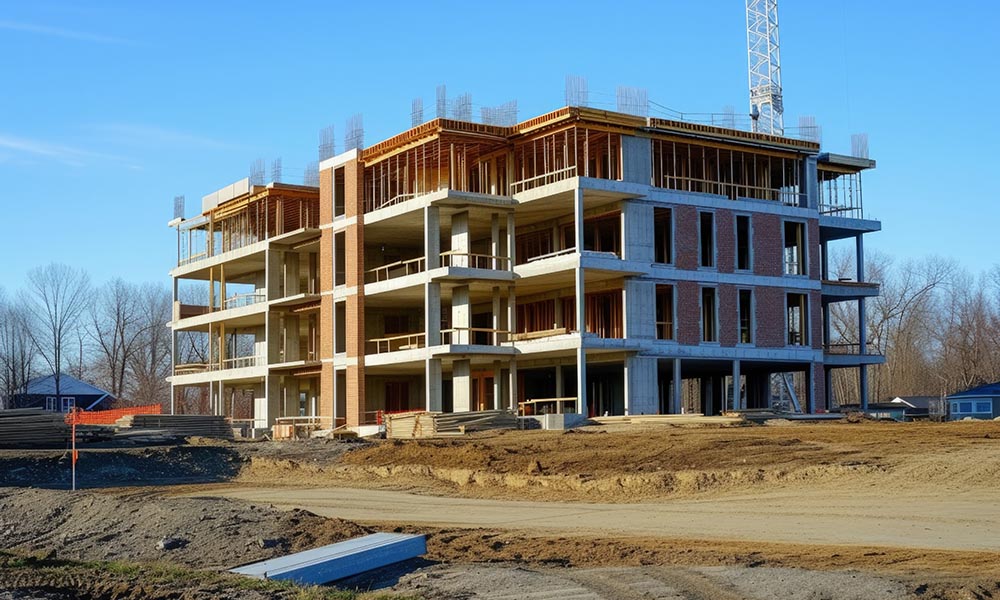
Commercial projects often need more than one type of funding. You might have a bank loan, some equity, and a shortfall that still needs to be covered.
That’s where mezzanine finance fits in. If you’re working on a development in Sydney or regional NSW, and your funding doesn’t fully stack up, this option can help bridge the gap, especially when traditional finance reaches its limit.
This guide will help you understand how mezzanine finance Sydney works and how it applies to commercial project funding NSW. We’ll walk through structure, risk, repayment, and when to use it all, written for clarity, not complexity.
If you’re actively considering funding options for your next commercial build or acquisition, this information will help you ask the right questions before committing to a deal.
Explore your broader finance strategy with Sydney Finance Specialists.
What Is Mezzanine Finance?
Mezzanine finance is a second-tier loan that sits behind the senior debt (typically a bank loan) and ahead of equity.
It helps fill funding gaps in a capital stack. The lender usually takes a second mortgage or another form of security and charges a higher interest rate due to the increased risk.
Practical Example
Let’s say your project requires $10 million.
- You get $6 million from a bank as senior debt
- You’re putting in $2 million as equity
- You’re $2 million short , that’s where mezzanine finance comes in
The mezzanine loan plugs that gap without needing to raise more equity or reduce project size.
Why Mezzanine Finance Is Used in Commercial Projects
Mezzanine finance is often used in commercial projects to fill funding gaps and leverage existing capital without diluting ownership.
It Fills Gaps Without Diluting Equity
Raising more equity often means bringing in new investors and giving up shares or control. Mezzanine lenders provide funds without requiring equity stakes (in most cases).
It Extends Borrowing Capacity
Traditional lenders have loan-to-value (LVR) limits, often capped at 60% to 70% of a project’s value. Mezzanine finance can extend this up to 80% or 85%, allowing the project to proceed.
It Speeds Up Capital Deployment
Rather than waiting to build more equity or get another senior loan approved, mezzanine finance helps you move forward with timelines and contractor schedules.
When Is Mezzanine Finance Suitable?
Mezzanine finance is often used in:
- Commercial developments (retail, industrial, mixed-use)
- Office building refurbishments
- Medium to large-scale property acquisitions
- Projects where equity is limited but senior debt has been secured.
It’s not typically used for small residential builds or startups unless other solid securities are in place.
Key Features of Mezzanine Finance
Mezzanine finance offers flexible funding options between senior debt and equity, with higher risk and higher returns.
Subordinated Security
Mezzanine lenders take second position over senior lenders. If a default happens, senior lenders get repaid first.
Higher Interest Rate
To compensate for their risk, mezzanine lenders usually charge higher rates in monthly interest or capitalised payments.
Shorter Terms
Most mezzanine loans are short-term (12–36 months) and align with the project timeline, usually repaid once the property is sold or refinanced.
Flexibility in Use
Depending on the lender’s terms, funds can be used for land acquisition, construction costs, holding expenses, or working capital.
How It Fits Into Commercial Project Funding in NSW
Funding Stack Overview
A typical NSW commercial project might be funded like this:
- Senior Debt: 60% from a bank or major lender
- Developer Equity: 10% to 20% from the project owner
- Mezzanine Finance: 10% to 20% to top up the stack
In some cases, developers might even layer in preferred equity on top of mezzanine debt, but that’s less common.
NSW-Specific Challenges
Commercial developers in NSW face challenges such as:
- Higher land costs in metro areas
- Council approval delays affecting cash flow
- Pressure on pre-sales or leasing targets to secure senior debt
Mezzanine finance helps address these by unlocking extra capital without waiting months for full equity raises.
Risks and Considerations
While mezzanine finance can provide essential funding, it comes with risks that must be carefully considered before proceeding.
1. Repayment Risk
You must have a clear exit strategy — usually via sale of the development, tenant leases, or refinance.
2. Cost Management
The higher cost of mezzanine debt can eat into profit margins. Make sure it aligns with projected returns and isn’t just plugging holes in weak feasibility.
3. Intercreditor Agreements
The senior lender and mezzanine lender must agree on priority, rights, and remedies in default. This can add negotiation time and legal fees.
What Lenders Look For
When applying for mezzanine finance Sydney, lenders will assess:
- Senior lender approval terms
- Project feasibility and valuation
- Developer experience and track record
- Exit strategy (sale, refinance, retained income)
- Security position (2nd mortgage, caveat, or corporate guarantee)
If you’re working with a finance broker like Sydney Finance, we help prepare your application in a way that pre-empts these questions and keeps it aligned with your primary finance deal.
Cost Structure of Mezzanine Finance
Here’s a typical breakdown of what you might expect:
- Interest Rate: 12% to 22% per annum (often capitalised)
- Loan Term: 12 to 36 months
- Establishment Fee: 1% to 2.5%
- Exit Fee: 1% to 2%
- Legal & Due Diligence Fees: Usually passed to the borrower
Some lenders offer interest-only terms with a balloon payment at the end. Others allow repayments from project cash flow.
Common Structures
Mezzanine finance can be structured in various ways, each offering different terms and repayment options to suit the needs of your commercial project.
Fixed Rate with Balloon
This structure involves no repayments during the term, with both principal and interest due at the end. Often, this lump sum is paid through sales proceeds or refinancing. It’s ideal if you expect a large cash inflow at the loan’s conclusion, but it can result in higher interest charges due to the deferred payments.
Monthly Interest-Only
You pay only interest each month, and the principal remains unchanged. The full loan balance is repaid at the end of the term, either via a lump sum or refinancing. It’s a good option for businesses needing lower monthly payments but requires planning for a large final repayment..
Hybrid Model
This model combines interest-only payments with a portion of the interest capitalised. The outstanding balance, including capitalised interest, is repaid at the end of the term. It offers flexibility with both immediate payments and a deferred lump sum.
Mezzanine vs. Preferred Equity
Some developers confuse mezzanine debt with preferred equity. Here’s the difference:
| Feature | Mezzanine Debt | Preferred Equity |
| Repayment | Fixed | Based on performance |
| Security | Often second mortgage | No mortgage, just shareholder rights |
| Tax Treatment | Treated as interest | Treated as dividend |
| Influence | Minimal | May include voting rights |
Mezzanine finance gives you more control. preferred equity may mean giving up some say in decisions.
Where Sydney Finance Fits In
Sydney Finance Specialists helps clients find, structure, and manage mezzanine finance deals across NSW.
Our role includes:
- Matching you with lenders based on your risk appetite and project type
- Preparing the funding structure so it aligns with senior debt
- Negotiating terms to improve net returns
- Managing application and legal steps from start to finish
We work with builders, developers, and commercial property investors who need flexible and fast funding without losing equity control.
How to Know If It’s the Right Fit
Consider mezzanine finance if:
- You already have senior debt approved
- You have a solid exit plan
- Your equity contribution isn’t enough to cover the gap
- You want to retain more ownership instead of bringing in equity partners
Still unsure? We can run your scenario through our lender panels and show you funding pathways.
Conclusion
Mezzanine finance can turn a viable but underfunded project into a successful one, but only if it’s used properly.
It’s not just about plugging gaps. It’s about managing timing, protecting equity, and delivering the project on schedule.
If you’re planning a commercial development or acquisition in NSW and need more clarity or support on funding, speak with our team at Sydney Finance Specialists.
We’ll walk you through the funding stack and help you see if mezzanine finance is the right fit or if another structure works better.
FAQs
How much mezzanine finance can I access?
Most lenders offer up to 20% of the total project cost, depending on the senior lender terms and your equity contribution.
Do I need pre-sales or leases before applying?
Not always. Some lenders fund based on feasibility, valuation, and location. Others require pre-sales or tenant commitments.
Can mezzanine loans be repaid early?
Yes, but early exit fees may apply. Check your loan terms before proceeding.
Is mezzanine finance suitable for land banking?
It can be, but lenders prefer projects with clear timelines. Land banking usually attracts higher rates or different funding types.
Will my senior lender allow mezzanine funding?
Some do, some don’t. It depends on the loan-to-value and project structure. Intercreditor terms must be agreed in writing.


